
Start a Knoxville People Search
The best first record depends on what is known. A full name works well in an owner roll, a court party index, or a state license search. A street address belongs first in KGIS and the Property Assessor lookup. An older address may lead to a year-specific city directory. For a person who died, an obituary, probate file, estate deed, or historical vital index can carry the trail forward to relatives.
Knoxville is the Knox County seat, yet City, County, and State offices keep different files. Keep the person's role attached to each result. An owner is not always an occupant. A registered agent is not always a business owner. A taxpayer's mailing address is not proof of where that person lives.
- Write down the name, date range, and any address, parcel, case, or business detail already known.
- Use the Assessor or KGIS for a current owner or address, then save the parcel and deed reference.
- Choose the court clerk by case type instead of treating all Knox courts as one index.
- Check a second source, such as a deed, license, obituary, or directory, before accepting a same-name match.
- When online coverage ends, call or visit the responsible counter, Archives, or McClung collection.
Note: A no-match result may reflect spelling, date coverage, jurisdiction, a protected display, or the wrong custodian rather than a person's absence.
Knoxville People Records Offices
Several offices inside the City County Building serve very different roles. The Register records deeds and related instruments. The Property Assessor links names to the current assessment roll. City staff route municipal requests for police, fire, development, codes, and administrative files. Court records remain with the separate court clerks, while the County Clerk handles marriage licenses and selected county services.
The shared building can make these offices seem like one records desk. They are not. A focused request sent to the office that created the record is more useful than a broad request addressed to the courthouse.
Knox County Register of Deeds
400 Main Street, Suite 225
Knoxville, TN 37902
865-215-2330
For copies, the City form asks for the requester's identity and contact details, the record type, dates and subject, the governmental office, and whether inspection or copies are wanted. Specialized requests go straight to the named unit. Development Services handles property reports, Police handles releasable incident material, and KUB holds its own utility records.
Search Knoxville Owners in KGIS
KGIS joins Knoxville, Knox County, and utility mapping in one parcel tool. Search modes include address, parcel, owner, place, and other preset lookups. The owner field accepts a substring, which helps when the roll stores a middle name, trust name, or longer business style. Parcel tools can open an owner card, full address details, a property report, map layers, aerial views, and deed or plat references.
The KGIS parcel and address search shows the public route used for this Knoxville people-search step.
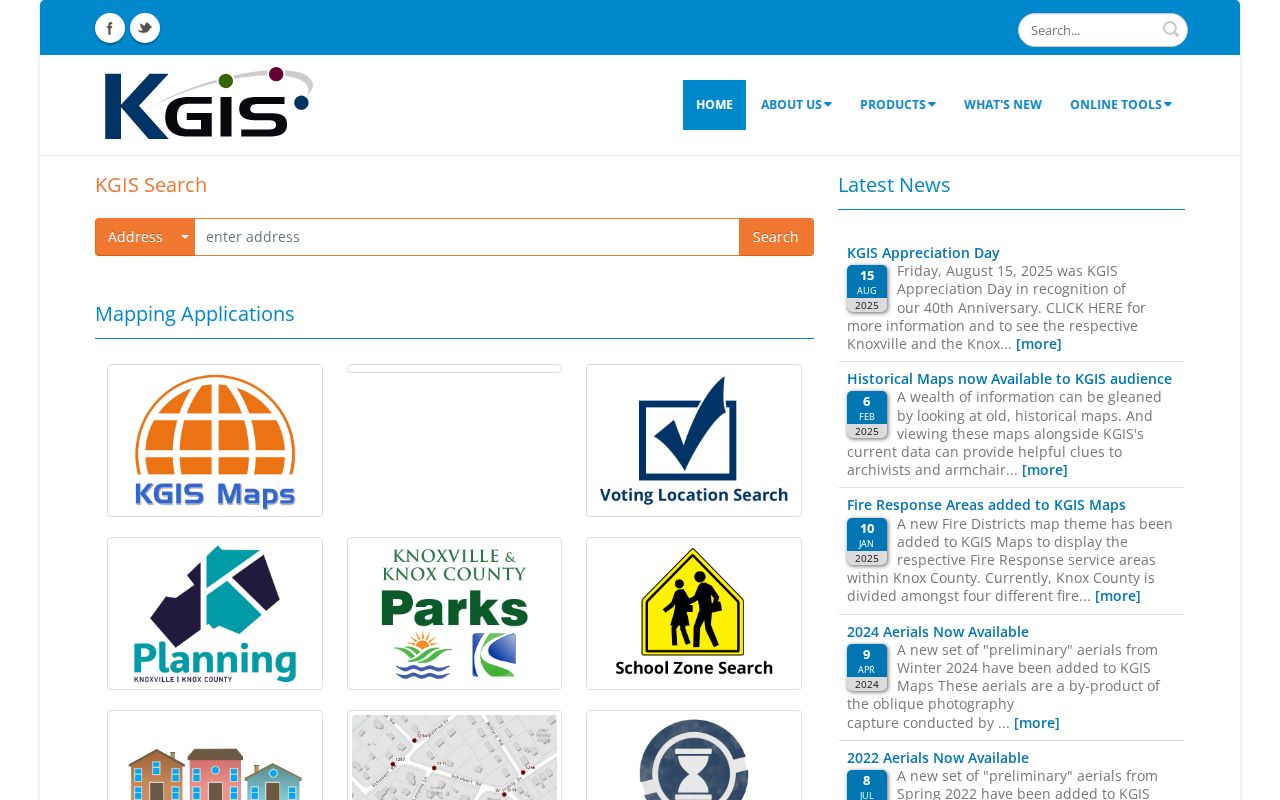
Move from the map result to full address details before assuming the site address and the owner's mailing address are the same.
| KGIS control | Input | What it can lead to |
|---|---|---|
| Address | Street address | Parcel, owner, ward, and mapped place |
| Parcel | Knox parcel ID | Owner card, plat, and property details |
| Owner | Name or substring | Matching assessed owners and parcels |
| Place | Place name | Mapped sites and nearby parcels |
Trace Knoxville Deeds by Name
A current assessor result is only the start of an ownership trail. Record the parcel, legal description, subdivision or lot, and the deed reference. Then search the current owner as a grantee, the person receiving an interest, to locate an acquisition. Search the prior owner as a grantor, the person transferring an interest, and repeat the chain. Matching land descriptions helps separate people with the same name.
- Grantor
- The person or entity transferring an interest in a recorded instrument.
- Grantee
- The person or entity receiving that interest.
- Index
- A finding aid that points to a record; it is not the certified instrument itself.
- Legal description
- The land description used in deeds, more durable than a street address.
The Knox County Register of Deeds portal is the source for the permanent recording system shown here.
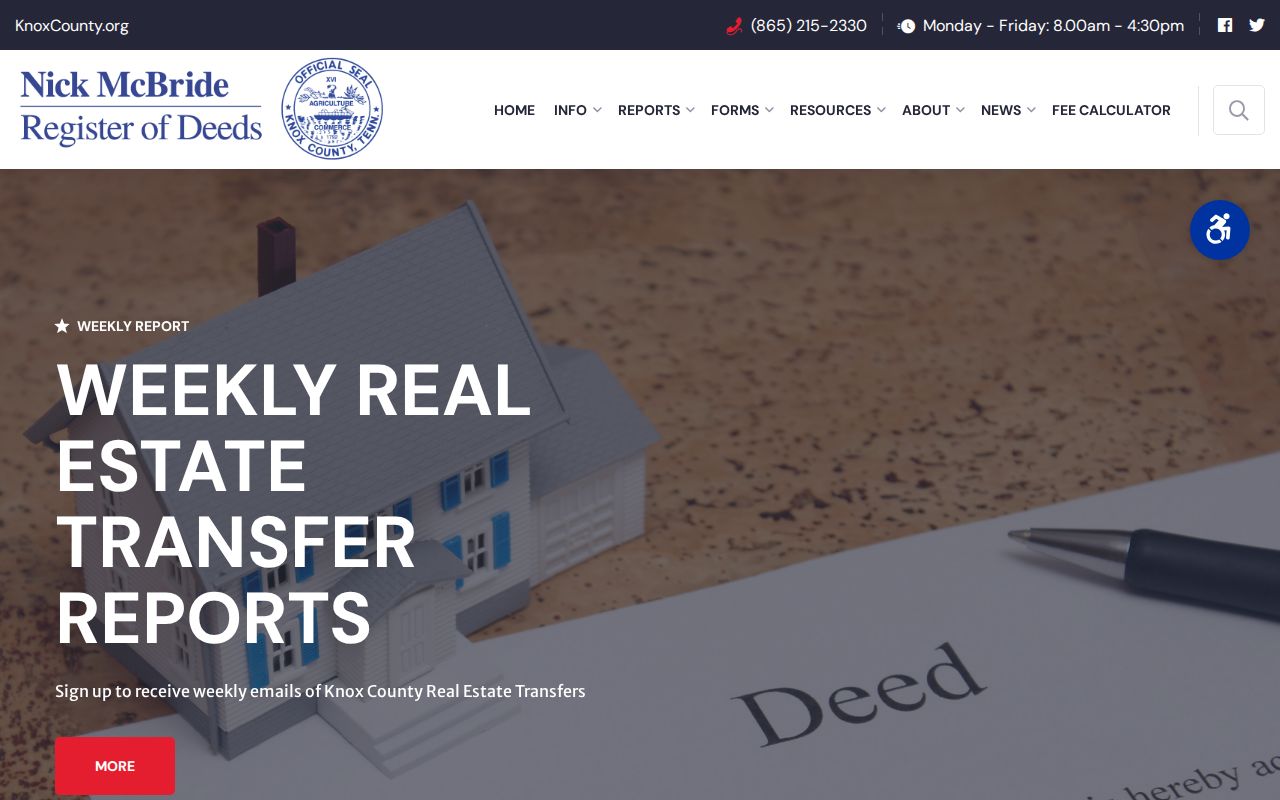
The office accepts copy requests in person, by mail, by phone through Records, and through its deed-request form. The free legacy index covers 1786 through 1931 as scanned alphabetic pages in person and corporate grantor and grantee groups. Current remote access uses a subscription database, while the counter remains the fallback.
Check Knoxville Property Names Twice
The Assessor search accepts an owner name, property address, or parcel number after the user accepts its disclaimer. Results may show the owner, mailing and site addresses, parcel and legal description, values, building facts, transfers, and tax jurisdiction. The mailing field shows where the assessment notice goes. It may belong to an owner, a trust, or an agent at a place far from the parcel.
The Knox County Property Lookup provides the official assessment search captured below.
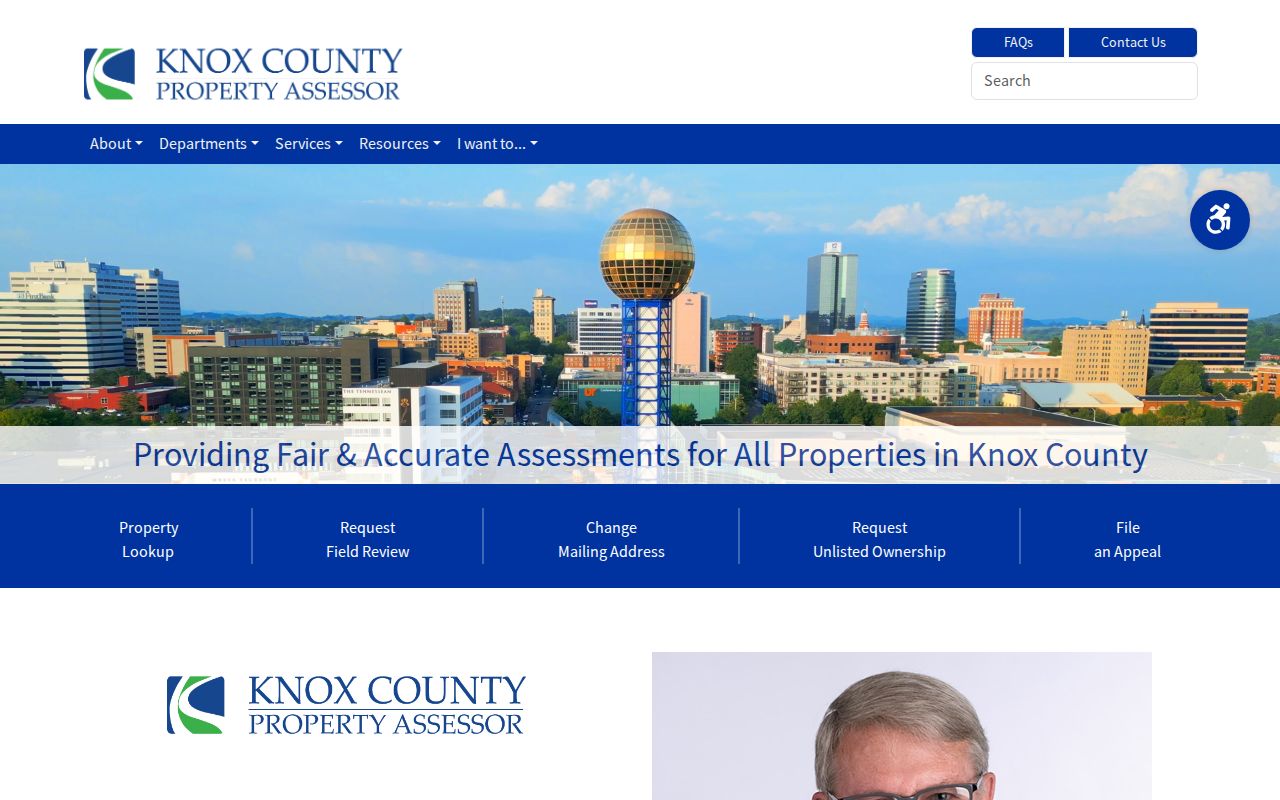
A missing web name is not conclusive. The Assessor offers a Request Unlisted Ownership process, so the office may retain a record that the public-facing display does not show. Call or visit the office when a known parcel produces no useful public name.
Note: Owner, taxpayer, resident, and occupant describe different roles; confirm the role with deeds, directories, or another independent record.
Choose the Right Knoxville Jurisdiction
A postal address that says Knoxville can sit outside the City's legal limits. That matters when searching permits, code cases, taxes, and local licenses. In KGIS, a City parcel normally shows a ward and no county tax district. A parcel outside the City usually shows the county tax district instead. ZIP codes, school zones, utility service areas, and mailing cities do not settle the question.
Once the parcel is placed, send a permit or code search to the matching government. City Development Services can compile an address report with permits, zoning, variances, certificates of occupancy, open code violations, and environmental assessments. The City normally charges $50 to create that report. Existing records may also be inspected through the proper records channel.
For older Knoxville addresses, pair a current parcel and legal description with earlier tax maps, plats, deeds, and year-by-year directories. Street labels and parcel keys can change. The land description and recorded plat give the more stable bridge.
Run a Knoxville Court Name Search
Knoxville court searching works only after the case type is known. City Court handles municipal ordinance citations. General Sessions Civil and Circuit Court records sit with the Circuit Court Clerk. Criminal, General Sessions Criminal, and Fourth Circuit records sit with the Criminal Court Clerk. Chancery and Probate have their own clerk and index path. Juvenile, sealed, expunged, adoption, and other protected files are not open people-search sources.
| Court route | Typical matter | Access channel |
|---|---|---|
| Knoxville City Court | City ordinance citations | Administrator or public session; no verified online name index |
| Sessions Civil / Circuit | Civil trial files | KnoxCircuit subscription, clerk counter, or copies |
| Criminal / Sessions Criminal | Criminal dockets | Clerk tools and counter |
| Chancery / Probate | Equity, estates, wills | Probate index, clerk, or Archives |
| Tennessee appellate | State appeals | Free Public Case History |
| Eastern District of Tennessee | Federal cases | PACER account and court access |
The Tennessee appellate case-history search displays a statewide name-search route.
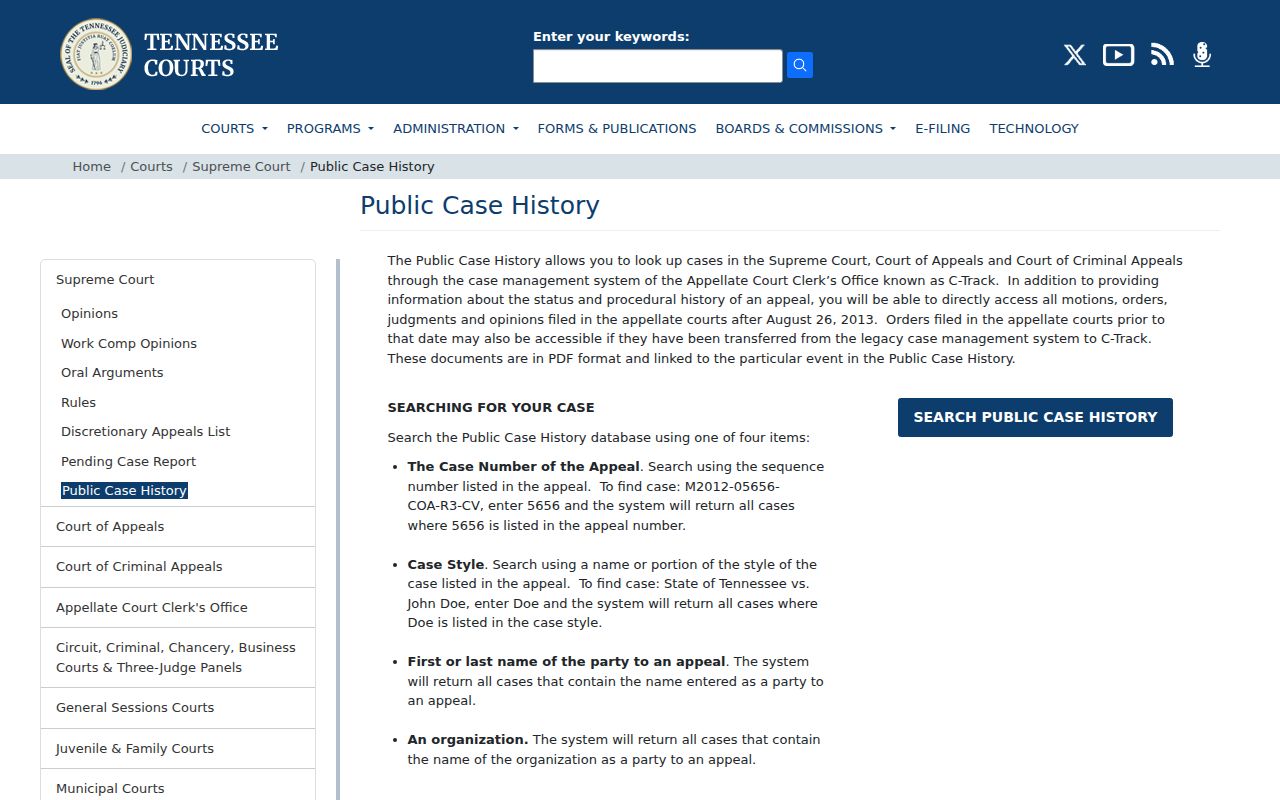
Its search modes include case number, case style, party name, and business or organization. Results can show the appellate number and style, originating court and judge, filing milestones, disposition, parties and roles, counsel, and linked event PDFs. Coverage begins with appellate records filed after September 1, 2006, so it does not replace a Knox trial-court search.
Find Knoxville Vital Record Trails
Current certificates and public historical indexes are different products. The Knox County Health Department can issue eligible Tennessee certificates, and the Tennessee Office of Vital Records maintains birth, death, marriage, and divorce records. Newer certified copies require the correct relationship, identity, and proof of entitlement. A standard state certificate or verified-information search costs $15, including a no-record result.
Under Tenn. Code Ann. § 68-3-205(e), birth records become public after 100 years. Death, marriage, divorce, and annulment records become public after 50 years. Public authenticating papers or verified facts do not unlock confidential medical details or give every requester a current certified certificate.
For older Knoxville people, use the delayed-birth index for 1861 through 1945, marriage indexes, marriage bonds, the partial divorce index, church and cemetery material, newspapers, and court books. Mail orders require the signed application, identification or notarization route, payment, and any proof of entitlement. In-person and the official online ordering channel are also available.
Cross-Search Historical Knoxville Names
Knox County Archives and the McClung Historical Collection carry the search beyond modern portals. Archives preserves permanent county records from 1792. Its cross-index can check a name across Chancery, Circuit, Pleas and Quarter Sessions, divorce, wills and settlements, probate, delayed births, naturalizations, marriage, Hamilton District, and obituary indexes.
Closed or older records move through several access channels. Search the cross-index first, then contact Archives for the underlying file. Plain Archives copies cost $2 for the first page and $0.60 for each added page. Certified copies begin at $5, plus $0.60 for added pages. Cameras are allowed at Archives, but scanners are not. McClung materials are reference-only, with normal reference use open without an appointment and special collections available by appointment.
The record chain can be rich. Probate files opened from 1954 through December 31, 2024 have a web index, while earlier estates may appear in will and settlement books. An obituary can name kin. An estate deed can show how land passed. Marriage bonds through 1929 may identify a bondsman who was related to or close to the groom.
Note: Pre-1874 wills may be filed within settlement books and labeled unevenly, so image-by-image review can succeed when a modern keyword search fails.
Separate Knoxville Custody Records
A jail roster, a state correction record, a registry entry, and a court disposition answer four different questions. The Knox County Sheriff list concerns current local detention. FOIL covers people who are or were under state felony custody or supervision, while the TBI registry covers a statutory registration duty. None replaces the court file. The Tennessee FOIL name and ID lookup is the official state correction search.
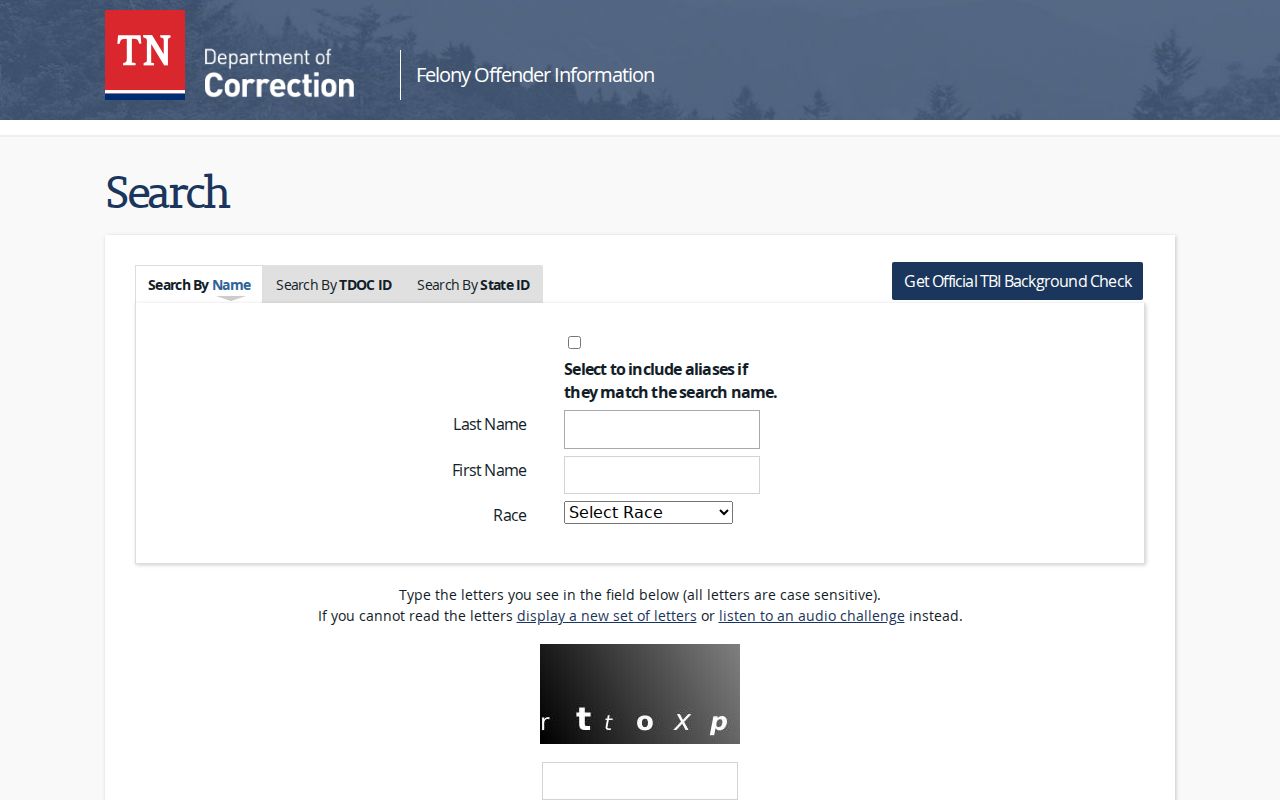
FOIL is free and searches current or former felony offenders by name or TOMIS ID. For local arrest history or warrant questions beyond the web roster, the Sheriff's public window accepts Tennessee residents with photo identification and the subject's name plus useful identifiers. Viewing is free; copies are $0.15 per page. A self-check also has an in-person or notarized-mail route.
The TBI public registry search offers name, address, county, ZIP, status, and related search controls.
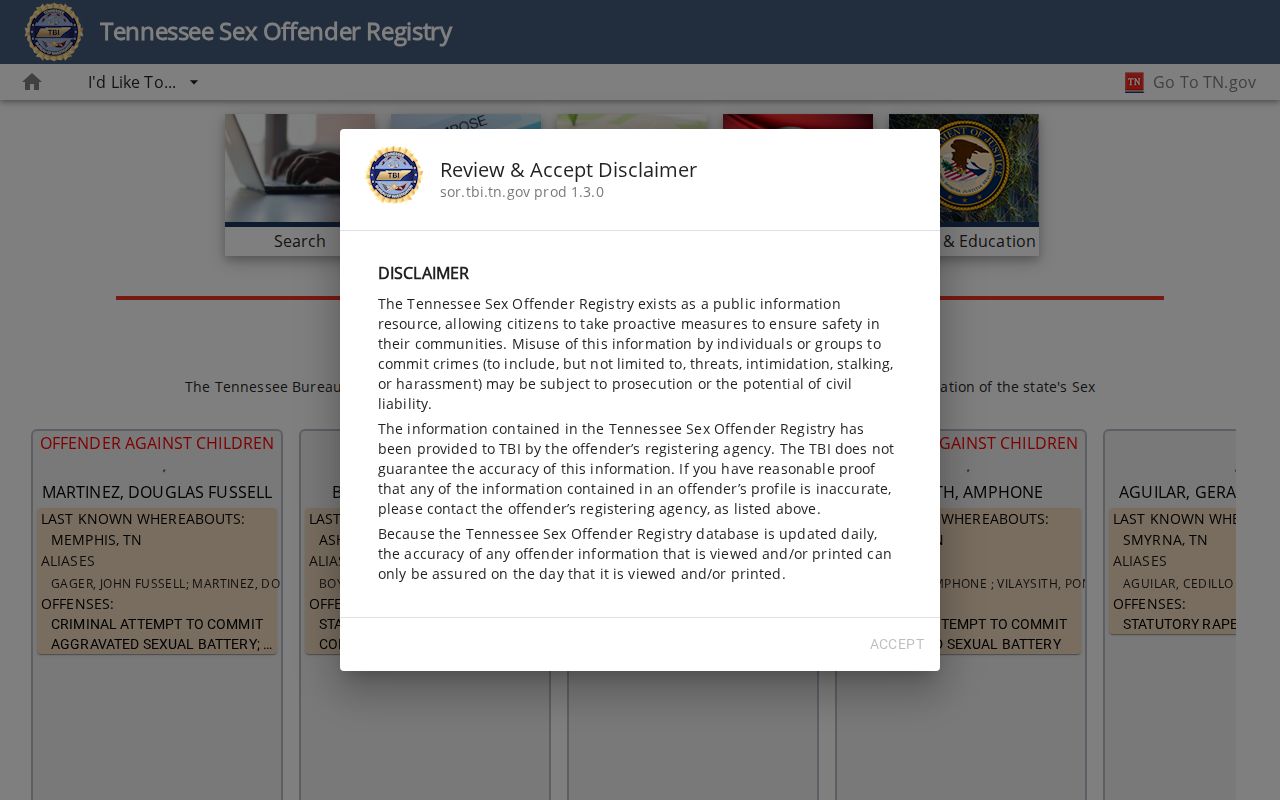
The registry updates on its own legal schedule and warns against threats, stalking, intimidation, or harassment. Verify any court outcome with the clerk and never treat a registry listing as permission to contact a person.
Verify Knoxville Public-Facing Connections
State license and business tools can connect a name with a current public-facing role. License results vary by board, but may include the credential, status, expiration, and public discipline. Business filings can show an entity, registered agent, address, control number, and filing status. A registered agent accepts legal papers and is not necessarily the operating owner. The Tennessee license verification search provides one official name-based route.
The state has also directed users toward a newer Commerce and Insurance verification endpoint. Health profession searches use a separate state system, and report tools can filter by board, profession, status, location, or Knox County when those fields are available.
Unclaimed property is another narrow but useful name trail. The Tennessee Treasury missing-money search can reveal an owner or co-owner tied to reported property.
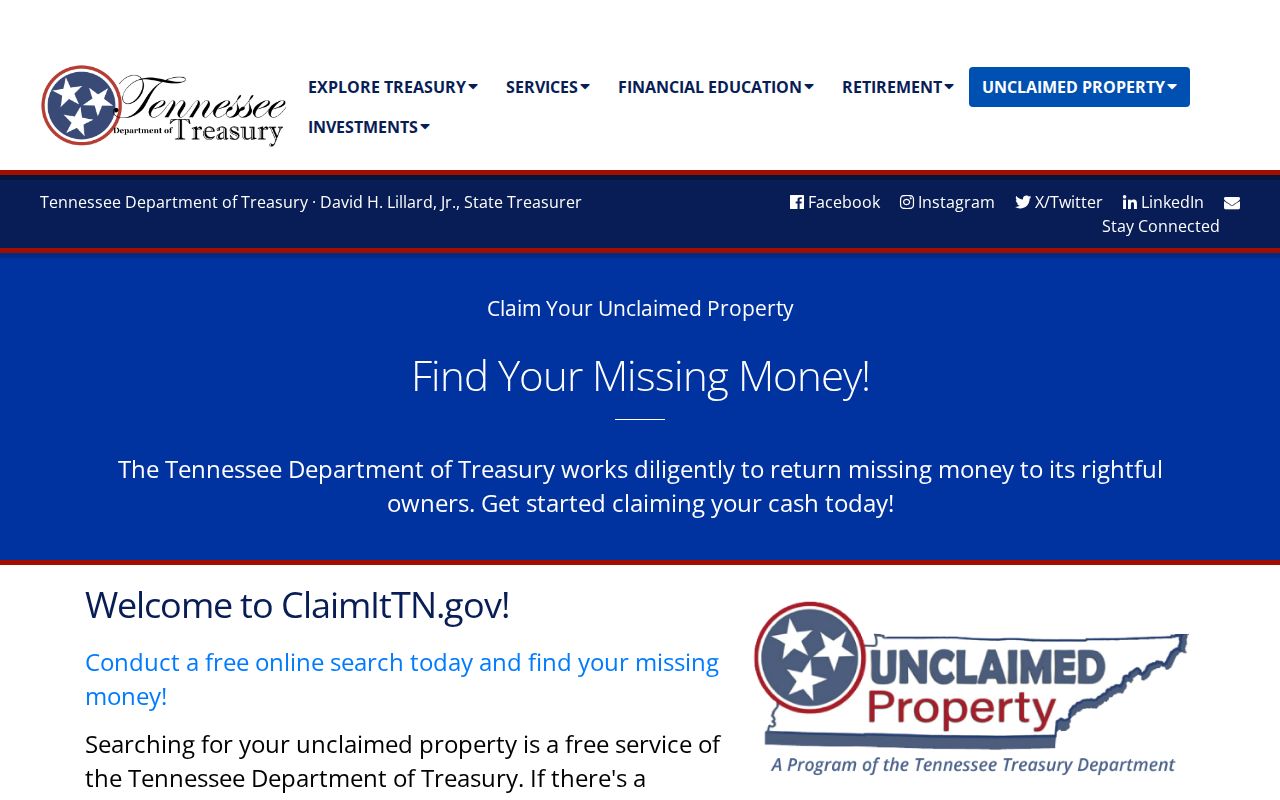
The official claim process is free. A name match is a lead, not final proof, and the Treasury claim process supplies the verification step.
Turn Knoxville Addresses Into People
McClung holds a complete run of Knoxville city directories from 1859 to the present and telephone directories from 1898 to the present. City directories are available without a special request. Telephone books are retrieved on request. Biography files have been built since the 1920s, and the collection also holds local newspapers, maps, microfilm, and family-history files.
Start with the year closest to the event. A regular city directory may group names by surname. A reverse directory, when available for that year, starts with the address and shows the listed occupant. Compare the household with the deed owner because a renter, boarder, relative, or business may appear at the site without owning it. Then move through later years to follow a change.
Knoxville College material adds a rare classmate route. A digitized 1964 yearbook contains a full-text student index with names, historical home addresses, and page references. The College archive is especially important for Black educational and community history. McClung's two obituary indexes cover 1885 through 1906 and 1991 to the present, with newspaper databases and microfilm filling other spans.
Protect Privacy in Knoxville Searches
Public access does not mean every field is open. Safe at Home gives qualifying Tennessee participants a substitute address and mail forwarding for many public purposes. It does not erase old records. Real-property listing, assessment and tax work, and recorded land instruments have statutory exceptions, so a person may still need careful safety planning around existing records.
The Property Assessor offers an unlisted-ownership request, though the research did not confirm the current proof rules or duration. Voter files redact protected identifiers and program data. Recent vital certificates require entitlement. Courts close sealed, expunged, juvenile, adoption, and other protected material. The Register keeps military discharge records confidential.
Commercial opt-outs affect a company's profile, not the source file held by a clerk. Under the Tennessee Information Protection Act, a qualifying consumer may ask a covered controller to confirm, access, correct, or delete certain personal data, obtain a portable copy, and opt out of specified processing. The law does not cancel government retention duties or make an old deed disappear.
Compare Knoxville Search Sources
Official records and commercial compilations serve different needs. A compilation may be quick, but it can merge purchased and public data, attach the wrong relative, or keep an old address after a move. A custodian's index is narrower. It usually explains the record's role, date, and keeper, and it can lead to a source document or certified copy.
| Source | Best use | Main limit |
|---|---|---|
| Official index | Finding a deed, case, parcel, credential, or filing | May omit images, older years, or protected fields |
| Certified source record | Confirming the filed text and custodian copy | Eligibility, copy fees, or a request may apply |
| Historical directory | Connecting a person with an address in a given year | Listed occupant may not be the owner |
| Commercial compilation | Producing a broad lead | May be stale, merged, or misassigned |
Save the exact spelling, role, date, instrument or case number, and office with each match. Then corroborate it in a second source. The detailed access and copy rules are organized on the Knoxville public records search page, while historical and institutional name sources are grouped in the local Knoxville directories.
Avoid Knoxville Record-Mail Scams
In June 2026, the Knox County Register warned residents about a bogus, official-looking property postcard that demanded attention. A suspicious mailer should be checked with the Register before a recipient calls, scans a code, sends money, or gives personal data. The county's free Fraud Alert can send email when a newly recorded instrument matches an enrolled personal or business name.
The alert is a notice service. It does not block a recording, decide whether fraud occurred, certify title, or replace source review. Keep the postcard and envelope, caller number, email headers, screenshots, and payment instructions if a report becomes necessary. An immediate threat belongs with 911; a non-emergency local matter can go through Knox County's public-safety channel.
Official copies and claims should begin at the custodian. The Register supplies deed copies through its counter, mail, phone, and web request channels. Tennessee Treasury does not charge a private recovery fee to use its official unclaimed-property claim process. A short check with the named office can prevent a false record notice from becoming a costly mistake.
Note: Fraud Alert watches newly recorded name matches, so enroll common name variants and still inspect the actual instrument before drawing a conclusion.